Kindertransport
Text
Dublin Core
Title
Subject
Creator
Curatescape Story Item Type Metadata
Subtitle
Lede
Story
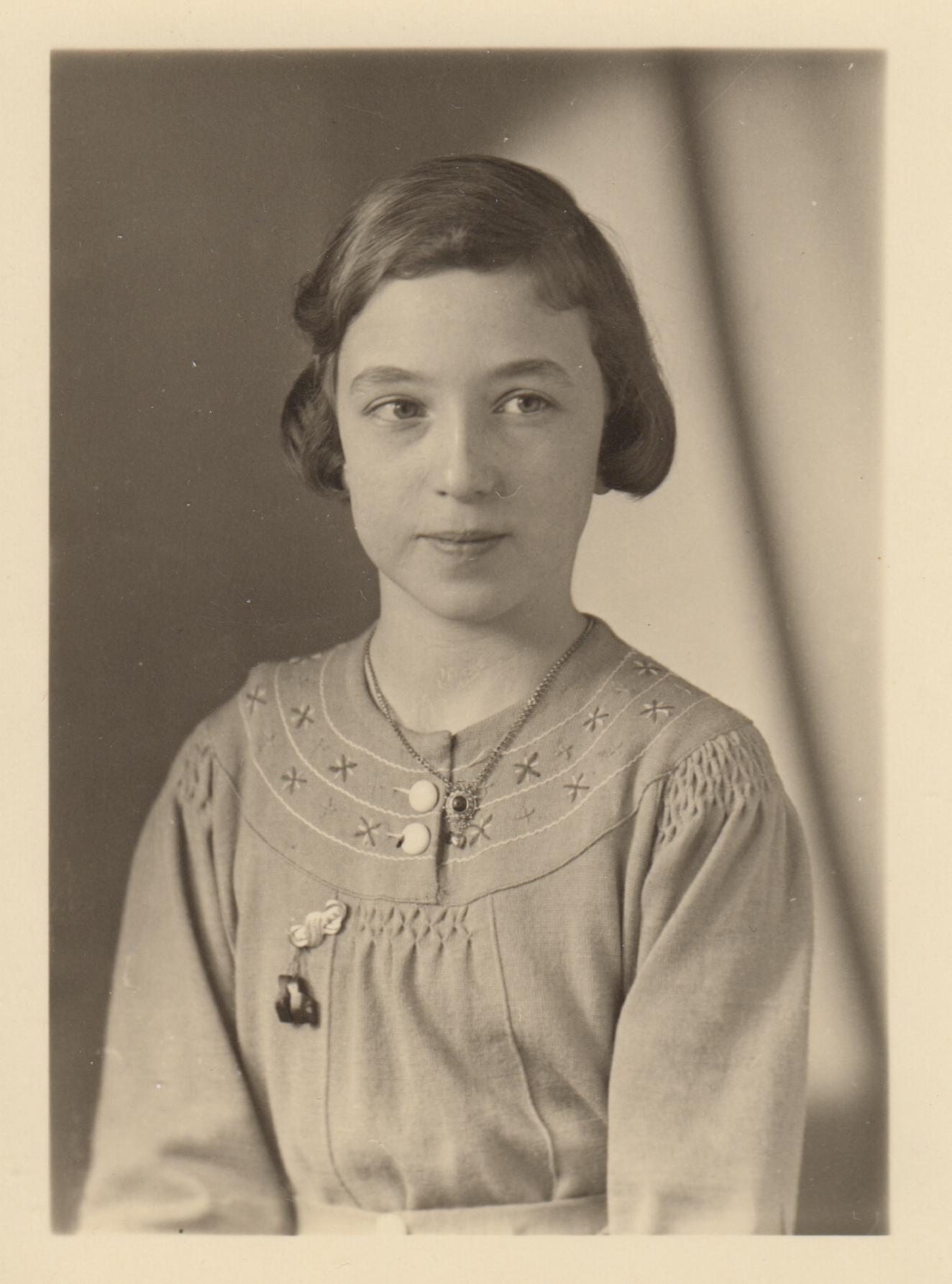
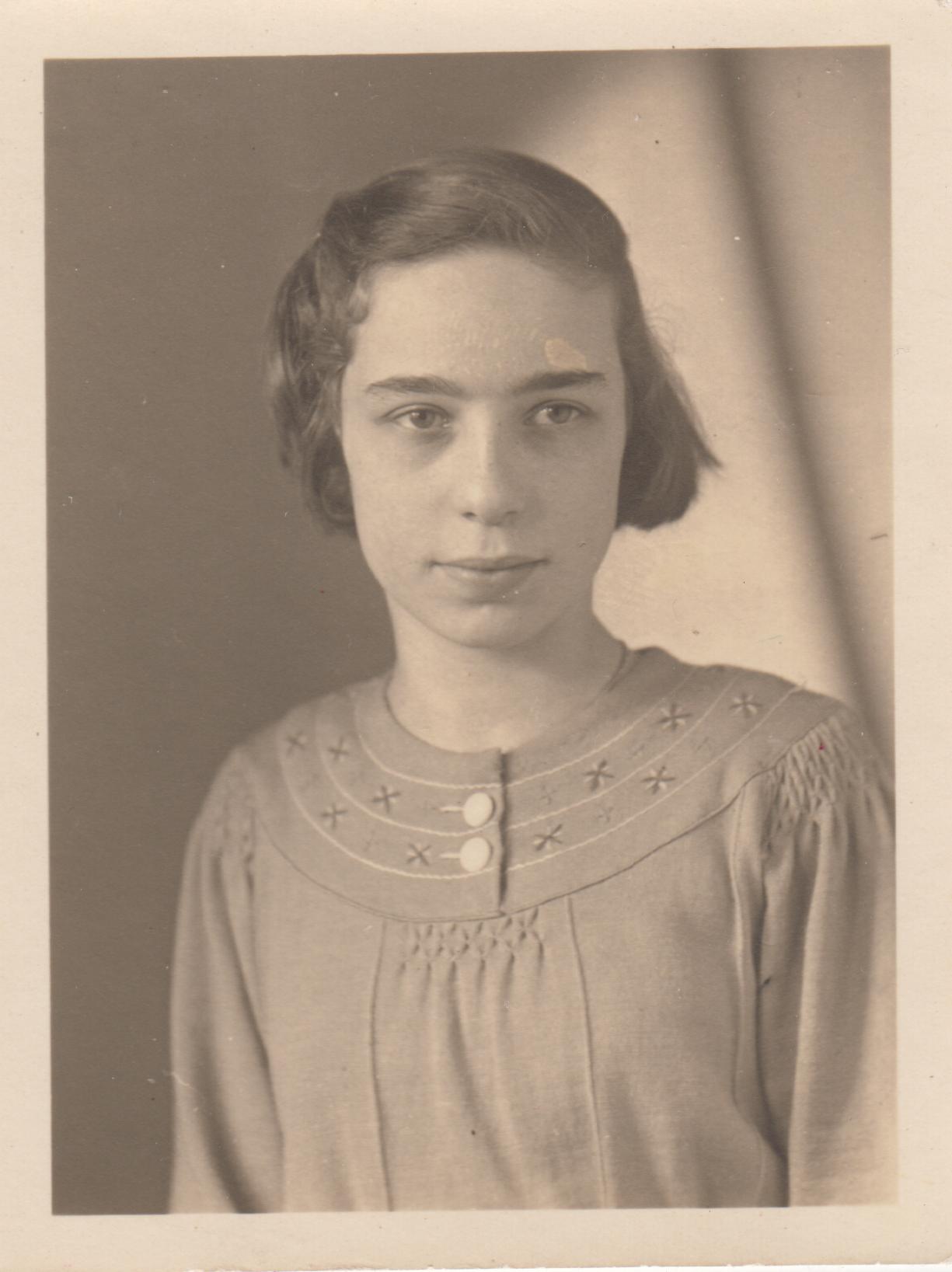
My grandmother got wind of a project that had been started by the English government that was called the Kindertransport. And they were sending trains to Austria, Czechoslovakia, Germany, and so forth, to save children from one to 17 years old.
And I believe my grandmother had to make the decision that she could only send two of her children. And she had four daughters. My grandfather had already been arrested, so she had to make the decision herself. And it reminded me of Sophie’s Choice. Her name was Selma. And I can’t imagine how she made the decision. She was ten years younger than my grandfather. So she was 44 at the time.
And so she prepared the children as best she could. I guess she felt that since the two girls-- the middle ones-- were so close-- were the same age-- and they had shown a lot of responsibility in the past, and they had good manners, and she felt that they had the best likelihood to go on this journey.
They could only take one suitcase a piece, and very few belongings. And they wore numbers on their coats to identify them as kinder.
They left on December 2 from Hamburg. My Aunt Edie went with them on the train. But when the train stopped in Cloppenburg, she got off, and they didn’t know if they’d see her again."
Editor's Note:
Spurred by public opinion and the lobbying efforts of refugee aid groups including the British Committee for the Jews of Germany and the Movement for the Care of Children from Germany, the British government eased immigration restrictions for certain categories of Jewish refugees after Kristallnacht. They agreed to allow an unspecified number of children under 17 to enter Great Britain from Germany and Germanannexed territories. The program became known as Kindertransport and lasted from December 1938 until May 1940 when Germany invaded the Netherlands.
Factoid
Files